
Dental Implants in Toronto
Losing a tooth changes more than your smile. It changes how you chew on that side, how certain words sound, and often how freely you smile at all. And the gap rarely just sits there quietly. Oover time the neighbouring teeth start to drift toward it, the bite shifts, and the jawbone underneath slowly begins to shrink.
Dental Implants
Dental implants are the closest thing modern dentistry has to giving you your own tooth back. Rather than resting on top of the gums like a denture, or leaning on neighbouring teeth like a traditional bridge, an implant replaces the missing tooth from the root up. It is anchored in the jaw, stable, and designed to look and feel like it was always there.
At Toronto Smile Gallery in Yorkville, we approach implants the way we approach everything: with an eye on the final result. The part of an implant you actually see, the crown, is a cosmetic restoration, and we craft ours in our own in-house lab so it blends seamlessly with the smile around it. Whether you’re missing one tooth or many, we’ll help you replace it in a way that looks completely authentic.

Why Patients Choose Dental Implants
People who’ve lived with a missing tooth, or struggled with a loose denture, usually come to implants for the same handful of reasons.
They want to eat normally again, without favouring one side or worrying about what’s on the menu. They want to speak and laugh without self-consciousness. And many have learned, sometimes the hard way, that the alternatives have drawbacks: dentures can slip and need replacing, and a traditional bridge means grinding down healthy teeth on either side of the gap to support it.
Implants sidestep all of that. They stand on their own without touching the neighbouring teeth, they don’t come out at night, and crucially, they’re the only tooth-replacement option that also preserves the jawbone, because the implant stimulates the bone the way a natural root would. That’s why, for many patients, implants end up being the most comfortable and longest-lasting form of tooth replacement in Toronto.
Why Us ?
- IN HOUSE DENTAL LAB
FOR RESTORATIONS - PROVEN RESULTS IN
SMILE GALLERY
- OVER 5000 PORCELAIN
VENEERS PLACED - CUSTOM SMILE DESIGN BY
PROFESSIONALS
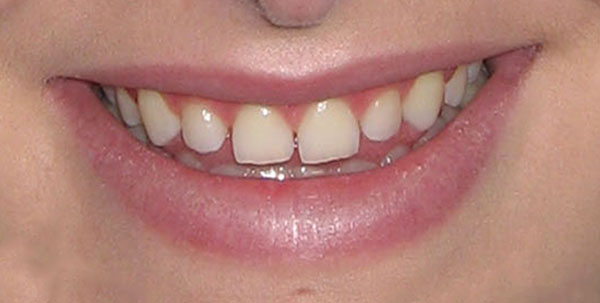
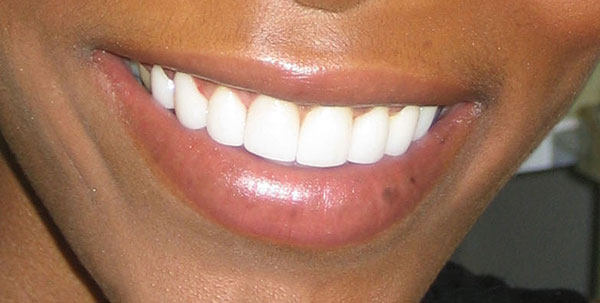
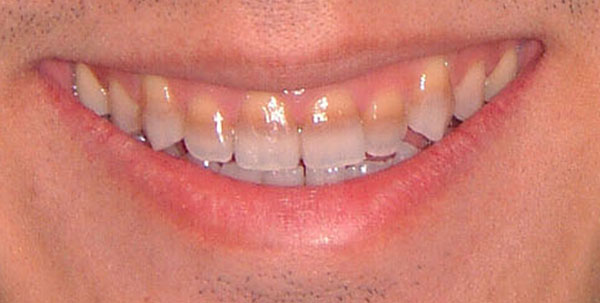
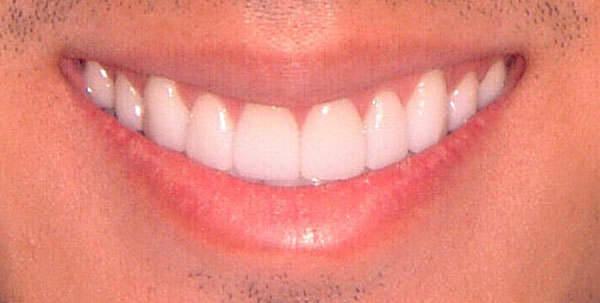
More Than 5,000 Veneers, One Smile at a Time



Types of Dental Implants
“Implants” covers more than replacing a single tooth. The right approach depends on how many teeth are missing and where.
Single Tooth Implants
When you’re missing one tooth, a single implant topped with a natural-looking crown replaces it completely — without involving the healthy teeth on either side. It’s the most conservative way to fill a gap and keep everything around it intact.
Implant-Supported Bridges
When several teeth in a row are missing, an implant-supported bridge in Toronto can replace them using a small number of implants rather than one for every tooth. It’s a secure, fixed solution that restores a whole section of your smile without relying on the remaining natural teeth for support.
Full-Mouth Dental Implants and All-on-4
When most or all of the teeth in an arch are gone, full-mouth dental implants in Toronto can rebuild the entire smile. Techniques like All-on-4 in Toronto anchor a full, fixed set of teeth onto as few as four strategically placed implants — a stable, permanent alternative to removable dentures.
The Benefits of Dental Implants
Implants earn their reputation because they do something no other tooth replacement can: they replace the whole tooth, root and all.
That foundation is what makes everything else possible. Because the implant is anchored in the jaw, it feels stable and secure when you bite and chew — no slipping, no avoiding certain foods. Because the visible crown is custom-made and colour-matched, it looks like a natural tooth rather than obvious dental work. And because the implant stimulates the jawbone, it helps prevent the bone loss and the sunken, aged appearance that often follow missing teeth or long-term denture wear.
They’re also built to last. With good care, implants frequently last decades, and often a lifetime. Making them not just the most natural-feeling option, but a genuinely permanent tooth replacement and frequently the best long-term value.

The Dental Implant Process
One of the reasons people hesitate over implants is uncertainty about what’s actually involved. Here’s the general path, which we’ll tailor to your situation.
Every case is a little different, but the path usually follows four stages:
Planning comes first, and it’s where the precision happens. We take detailed 3D imaging to map your jawbone, nerves and neighbouring teeth, then plan the exact position and angle of your implant before anything is placed. This is also where we identify whether any preparatory work — such as bone grafting to rebuild lost support — is needed.
Placement is the next step, the implant itself. A small, medical-grade titanium post, is positioned in the jaw where the natural root used to sit. It’s a more straightforward procedure than most people imagine, carried out with anaesthetic so you stay comfortable throughout.
Healing follows. Over the next few months, the implant fuses with the surrounding bone in a natural process called osseointegration. We’ll usually fit a temporary tooth during this time, so you’re never left with a visible gap.
The restoration finishes things off. Once the implant has fully integrated, we attach your custom crown, bridge or full arch of teeth, which is designed to match the colour, shape and character of your natural smile. From there, you simply care for it like any other tooth.
Are You a Candidate for Dental Implants?
Most adults missing one or more teeth are good candidates for implants, provided they’re in reasonable general and oral health and have enough healthy jawbone to support the implant.
A few things need attention first. Active gum disease or tooth decay has to be treated before placing an implant, since the implant relies on healthy tissue and bone around it.
Bone loss is the most common consideration. When a tooth has been missing for a while, the jawbone in that spot naturally shrinks, and an implant needs enough solid bone to anchor into. A lack of bone rarely rules implants out completely, though — bone grafting can often rebuild the support needed, and we’ll assess exactly what you have with 3D imaging and explain your options clearly.
Smoking and certain medical conditions matter too. Smoking slows healing and can lower implant success rates, so we’ll have an honest conversation about it — it doesn’t automatically disqualify you, but it’s worth weighing. Conditions that affect healing or bone, along with some medications, can also play a role, which is why we review your full health history before recommending anything.
The only way to know for certain is a proper assessment. If implants aren’t the right fit for you, we’ll say so, and walk you through the alternatives.

Frequently Asked Questions
How long do dental implants last?
With good care, dental implants can last decades, and the implant post itself can last a lifetime. The visible crown may eventually need replacing after many years of use, much like any restoration, but the implant beneath it is built to be permanent.
What is the success rate of dental implants?
Dental implants are among the most predictable procedures in modern dentistry, with long-term success rates commonly reported above 95% in healthy patients. Careful planning, good bone support and proper aftercare all help keep that rate high — which is why choosing an experienced implant dentist in Toronto and a thorough upfront assessment matter so much.
Does getting a dental implant hurt?
Less than most people expect. The procedure is done with appropriate anaesthetic so you’re comfortable throughout, and most patients compare the recovery to a tooth extraction, some mild soreness for a few days that’s well managed with ordinary pain relief.
How long does the whole implant process take?
It varies, mainly because the implant needs time to fuse with the bone. From placement to final restoration, the process often spans a few months, though we’ll give you a realistic timeline for your specific case and keep you comfortable, and presentable, throughout.
How much do dental implants cost in Toronto?
Implant cost depends on how many teeth you’re replacing, whether any preparatory work like grafting is needed, and the type of restoration involved, so the most accurate answer comes from a consultation. We’ll walk through the full investment transparently and discuss your options before you commit to anything.
Are dental implants worth the cost?
For most patients, yes. Implants cost more upfront than a bridge or dentures, but they last far longer, often decades, don’t damage neighbouring teeth, and preserve the jawbone, which can save money and trouble down the road. Factoring in comfort, function and longevity, many patients find implants the best long-term value in tooth replacement.
Are implants better than a bridge or dentures?
For many patients, yes. Unlike a traditional bridge, an implant doesn’t require grinding down healthy neighbouring teeth, and unlike dentures, it stays fixed in place and helps preserve the jawbone. Bridges and dentures still have their place, though, and we’ll help you weigh what suits your situation and budget.
What happens if I don't replace a missing tooth?
A gap rarely stays just a gap. Over time the neighbouring teeth tend to drift and tilt toward the space, the opposing tooth can over-erupt, your bite shifts, and the jawbone in that area gradually shrinks. Replacing the tooth, ideally with an implant, prevents that chain reaction and protects the teeth you still have.
I've been missing a tooth for years. Is it too late for an implant?
Often not. Some bone may have been lost over time, but bone grafting can frequently rebuild enough support to place an implant successfully. The best next step is an assessment so we can see exactly what you’re working with.
Can smokers get dental implants?
Often, yes — but it’s worth an honest conversation. Smoking slows healing and can raise the risk of complications, so success rates tend to be a little lower for smokers. Many still do well with implants, especially if they can cut back or quit around the time of treatment, and we’ll give you straight guidance based on your situation.
Do dental implants look natural?
When the crown is well designed, they’re virtually indistinguishable from a natural tooth — which is exactly why we craft ours in our in-house lab with the same cosmetic care as our veneers. The goal is a tooth no one can pick out as a replacement.
How do I care for my implants?
Wonderfully simply: you brush and floss around them just like natural teeth and keep up with your regular checkups and cleanings. There’s no special routine; just consistent, everyday care.
Is there an age limit for dental implants?
No. Implants are suitable for healthy adults of nearly any age; what matters far more than your age is your oral health and the condition of your jawbone, both of which we’ll assess at your consultation.
Seen on Style by Jury
As the show's exclusive cosmetic dentists, Dr. Charkiw and Dr. Afsar designed and crafted smiles for participants across more than 100 episodes — real transformations, filmed and broadcast, that show what thoughtful cosmetic dentistry can do.

Transform your
smile today
and direct billing to insurance